Understanding Natural Nutrients in Daily Intake
This educational resource explains how essential vitamins and minerals are naturally present in everyday foods. Learn about the nutrient content in products available through natural dietary patterns.
Educational content only. No promises of outcomes.
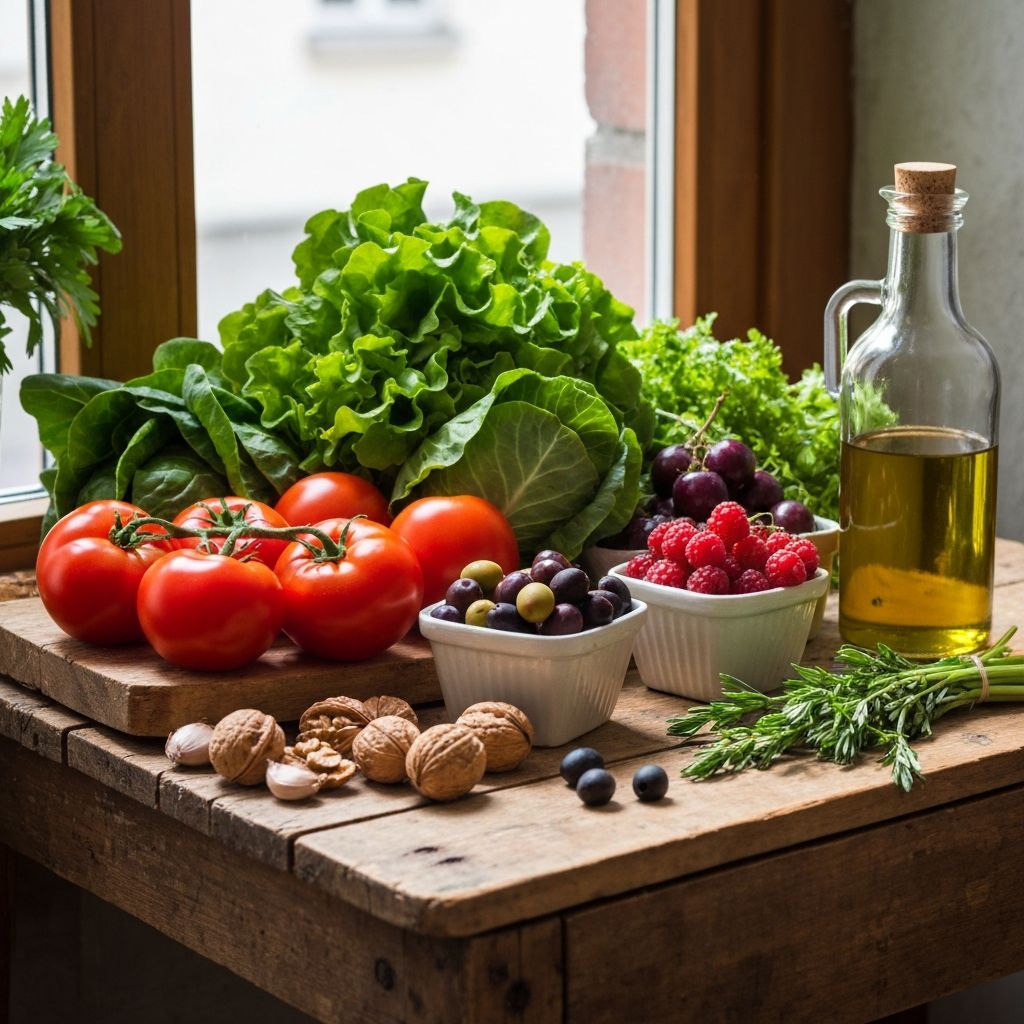
Understanding Nutrient Circulation in Natural Diets
Nutrients exist in natural foods as essential components supporting general metabolic functions. The way foods are combined, sourced seasonally, and selected from diverse plant and animal sources creates a foundation for understanding how dietary variety works in everyday nutrition.
This section explains the scientific context of how nutrients flow through natural food sources without prescribing individual dietary approaches.
Vitamins in Natural Daily Flow
Vitamins are organic compounds present in various food sources. B vitamins, found in fish, eggs, leafy greens, and nuts, play roles in energy metabolism. Vitamin C is present in seasonal fruits and fresh vegetables. Vitamin A appears in orange vegetables and leafy greens. Vitamin D is naturally found in fatty fish.
Understanding where these nutrients occur naturally helps explain how different food choices contribute to overall dietary composition.
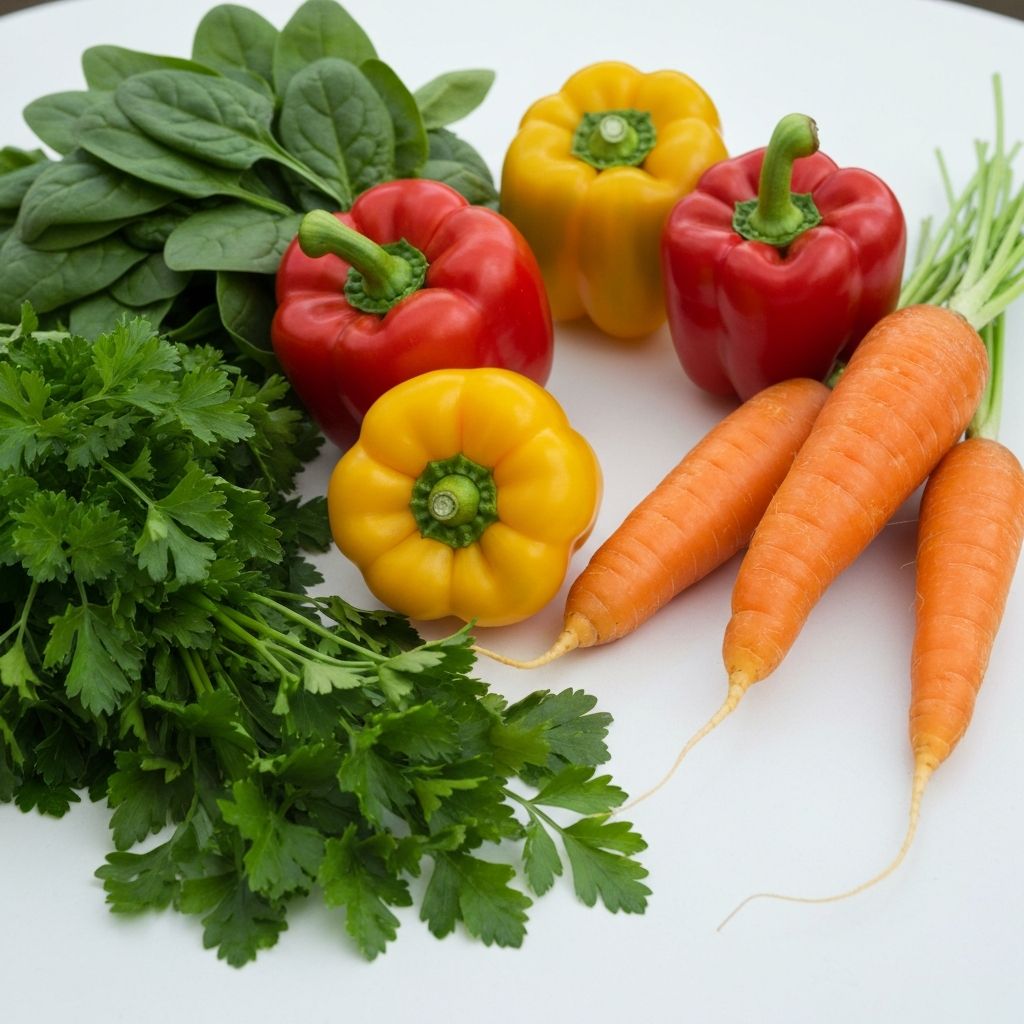
Products: River and Lake Fish
Fish species available in Polish and European markets provide natural sources of omega-3 fatty acids, proteins, and minerals like selenium and iodine.
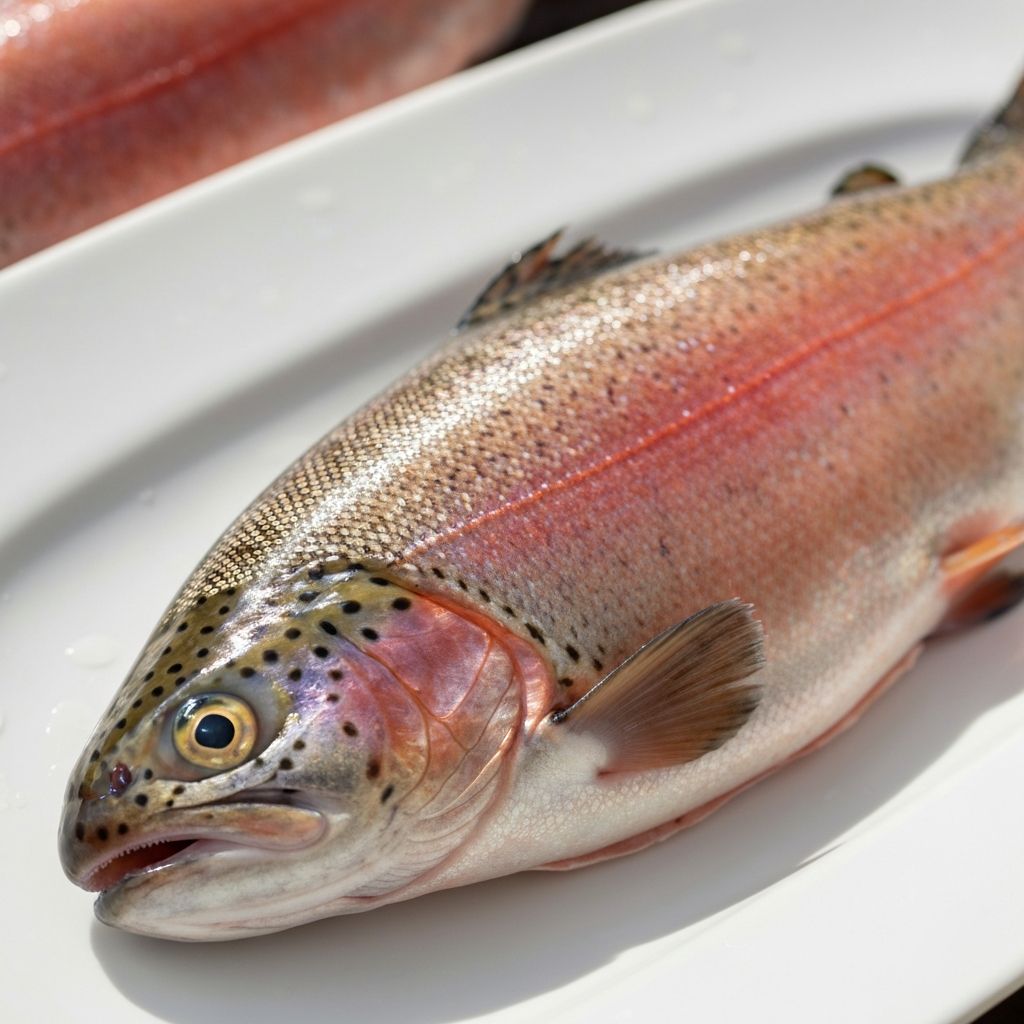
Trout
River trout contains omega-3 fatty acids, protein, and vitamin D. The nutrient composition varies based on the water source and seasonal factors. This fish is commonly found in European markets.

Perch
Perch is a freshwater fish rich in protein and B vitamins. It contains minerals like phosphorus and selenium. Local availability in Warsaw region markets makes it a common dietary component.

Carp
Carp contains proteins, vitamins, and minerals. It is traditionally available in Polish markets, especially in autumn and winter seasons. The nutrient profile changes with seasonal variations in water conditions.
Products: Polish Orchard Fruits
Fruits from Polish orchards provide natural sources of vitamin C, fiber, and various micronutrients. Seasonal availability influences their freshness and nutrient levels.
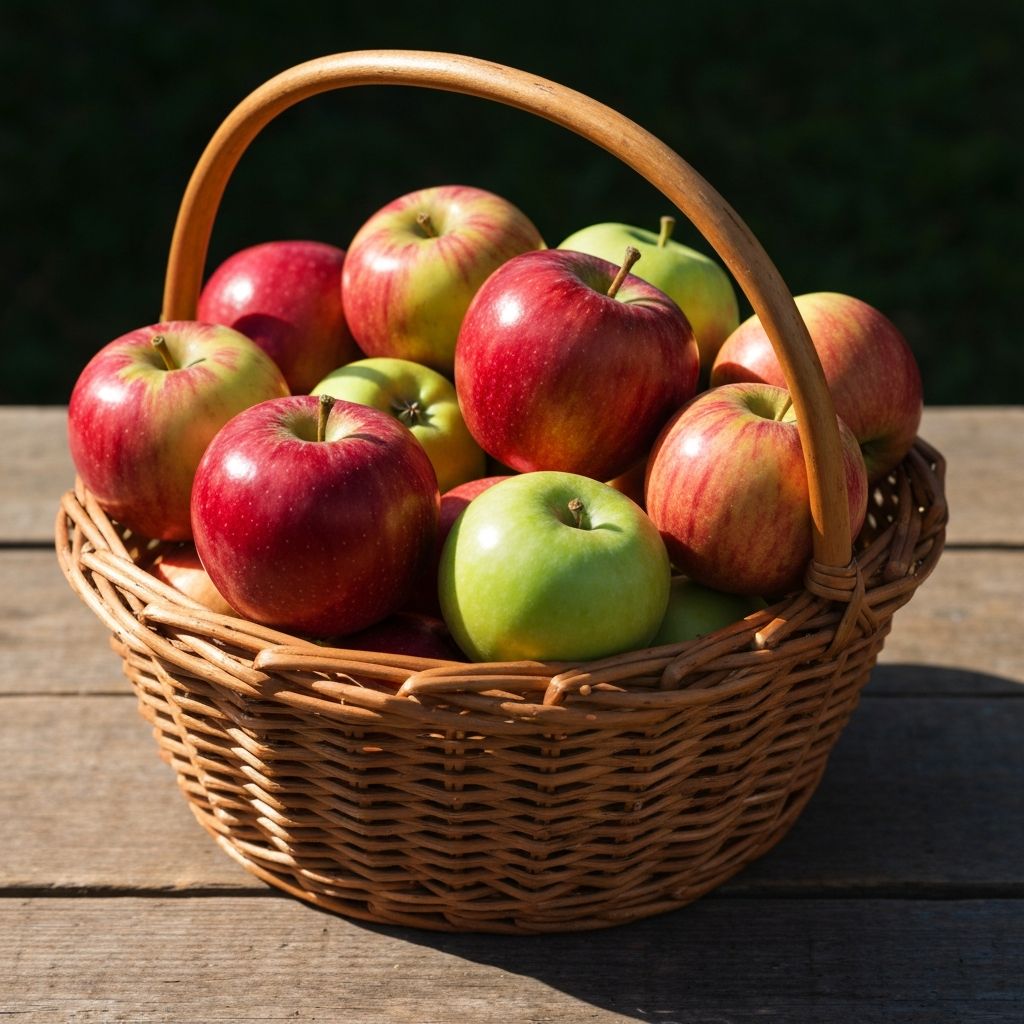
Apples
Apples are rich in fiber and contain vitamin C. Different varieties have different nutrient profiles. Polish apples are available year-round from storage, with peak freshness in autumn harvest months.

Pears
Pears provide fiber, copper, and vitamin C. They appear in Polish markets from late summer through winter. The nutrient content relates to ripeness and storage conditions.

Cherries
Cherries are seasonal fruits available in summer months containing antioxidant compounds and vitamin C. Polish cherry orchards supply fresh fruits during short seasonal windows.
Leafy Greens and Seasonal Herbs
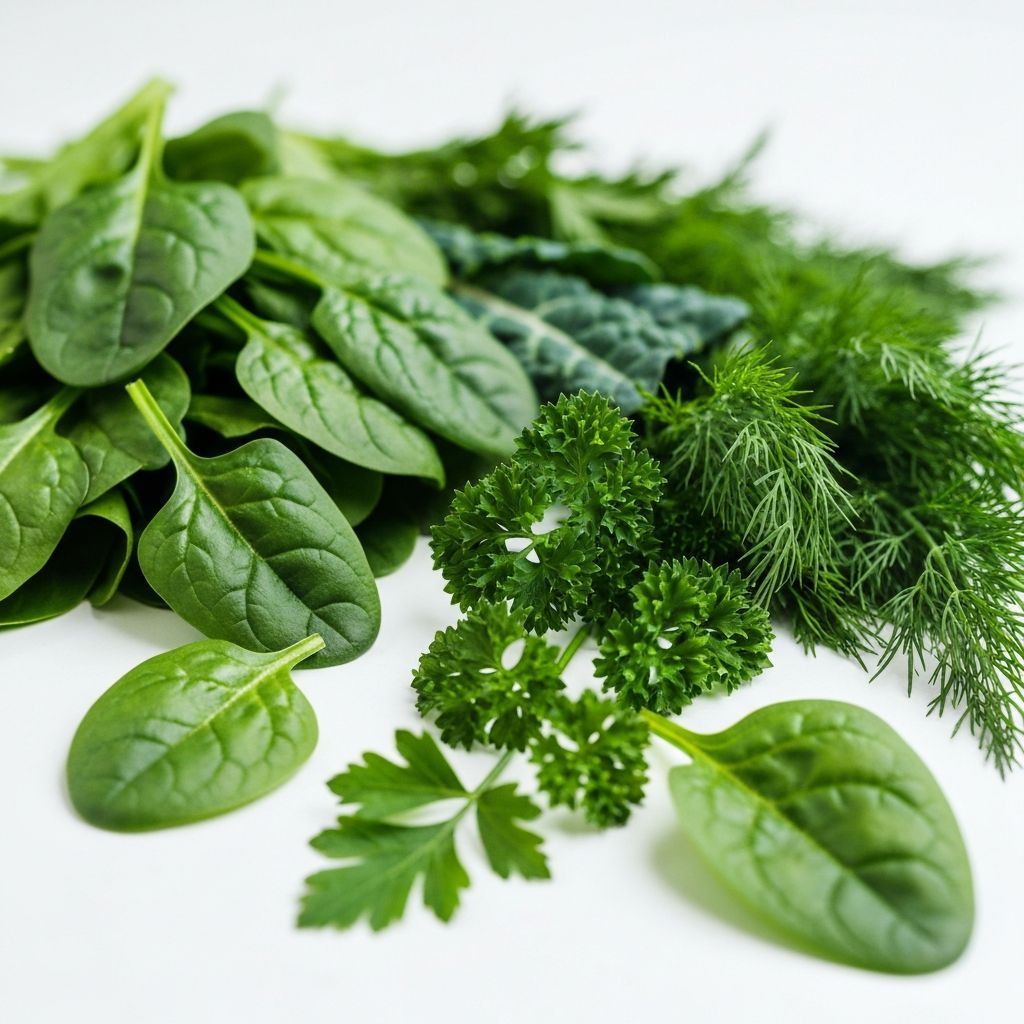
Leafy greens including spinach, kale, and lettuce contain minerals like iron, magnesium, and calcium. Fresh herbs such as parsley, dill, and chives add micronutrients to meals. Seasonal availability in Warsaw region markets varies throughout the year.
Spring and summer months offer fresh local greens, while fall and winter bring cold-hardy varieties. Understanding seasonal patterns explains why dietary variety changes naturally through the year.
Role of Natural Fats and Oils
Plant-based oils from olives, sunflower, and rapeseed contain essential fatty acids. Animal fats from fish and egg sources provide omega-3 fatty acids and fat-soluble vitamins. The balance of different fat sources in daily intake relates to overall nutrient composition.
Understanding the role of natural fats helps explain how diverse food sources contribute to nutritional profiles without prescribing specific intake amounts.
Mineral Sources in Urban Markets
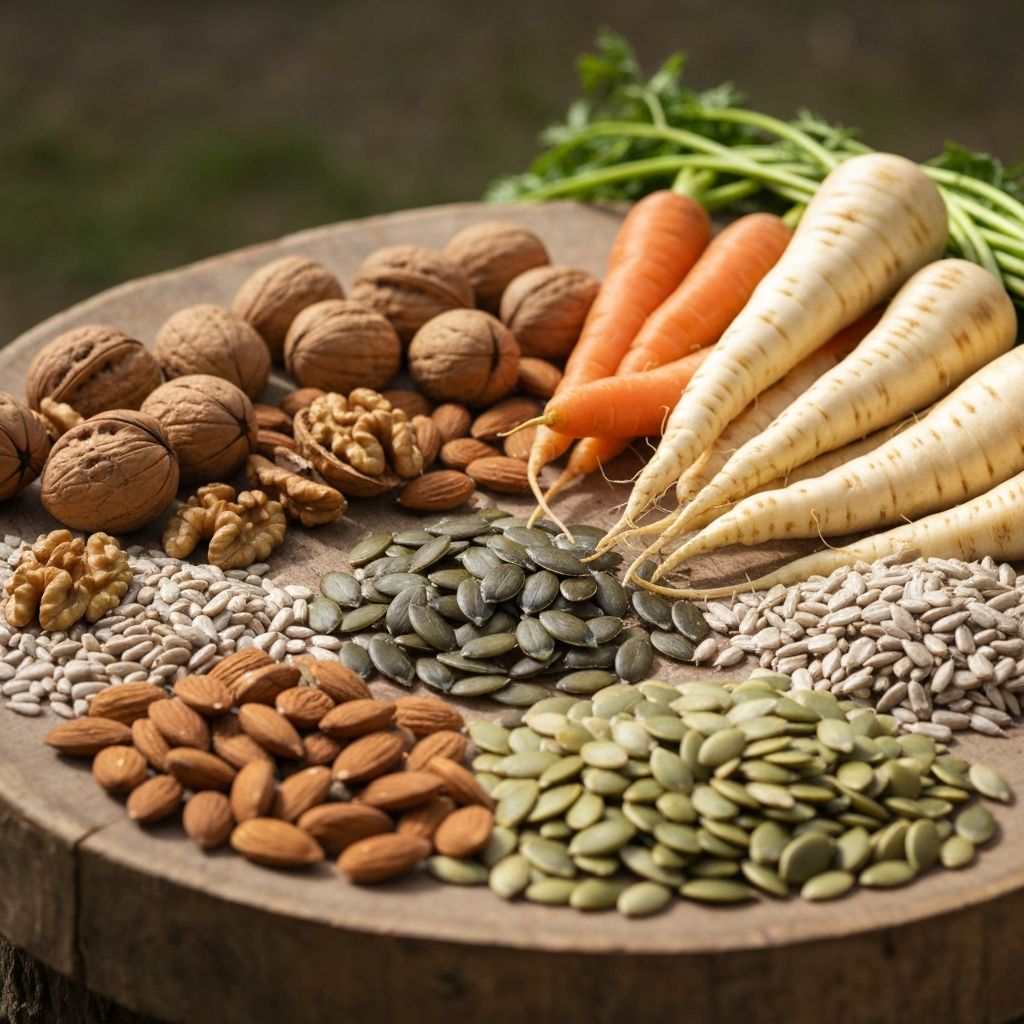
Warsaw region markets provide access to foods containing essential minerals. Nuts like walnuts and almonds contain magnesium and zinc. Seeds from sunflowers and pumpkins provide similar minerals. Root vegetables contain various minerals depending on soil composition and growing conditions.
Research indicates that dietary mineral content varies by region, seasonal availability, and food source. Understanding these variations explains the scientific basis for dietary diversity.
Influence of Freshness on Nutrient Levels
Fresh foods generally contain higher levels of heat-sensitive vitamins like vitamin C. Storage methods and duration affect nutrient retention. Temperature, light exposure, and humidity influence how long nutrient levels remain stable in different foods.
Scientific research demonstrates that freshness correlates with nutrient content, which is why understanding sourcing and storage practices provides context for dietary choices.
Food Combination for Nutrient Harmony
Different foods contain complementary nutrients. For example, vitamin C in citrus fruits enhances iron absorption from leafy greens. Protein sources combined with vegetables create diverse nutrient profiles. Fat-soluble vitamins in oils are better absorbed when consumed with fat.
Understanding how nutrients interact in different foods provides scientific context for natural dietary variety patterns without prescribing specific meal combinations.
Warsaw Region Produce Characteristics
Local produce grown in the Warsaw region reflects specific soil conditions, climate patterns, and agricultural practices. Seasonal vegetables available at Warsaw markets change throughout the year based on growing periods and storage availability.
Spring brings fresh leafy greens, summer offers berries and stone fruits, fall provides root vegetables and squash, and winter relies on storage crops. This natural seasonal cycle has shaped traditional European dietary patterns.

Continue Learning
This educational resource provides information about natural nutrient content in foods. All materials are for informational purposes only.
Flow into more info